
Home / Prince Discography / Prince Albums /

Graffiti Bridge Prince album
Warner Bros. Records
albumGraffiti Bridge covers more musical waterfront than some bands do in an entire career.
The concept of Graffiti Bridge dates to 1987 when Prince planned to write a Broadway musical featuring both himself and Madonna in the lead roles. By 1990 that project evolved into a movie sequel for 1984’s smash hit Purple Rain.
With the exception of Thieves In The Temple the album’s lead single, the tracks compiled for Graffiti Bridge that comprise the soundtrack to accompany the Graffiti Bridge movie are reworked versions of older and previously unreleased songs Prince created throughout the 1980s. The oldest in the configuration Tick, Tick, Bang is a song Prince wrote in 1981 for Vanity 6. New Power Generation is a reworking of a track originally titled Bold Generation in January 1982 for his other side project The Time and so features Morris Day on drums – Day’s part is preserved in its Graffiti Bridge version. Third oldest is the 1999 album outtake Can’t Stop This Feeling I Got. We Can Funk (originally titled We Can Fuck) stems from the Purple Rain studio sessions. Joy In Repetition hails from 1986 when intended for inclusion on Prince’s aborted Crystal Ball LP planned for release that year.
A 1989 configuration of an earlier project what evolved into Graffiti Bridge was titled Rave Unto The Joy Fantastic and comprised songs written during the Lovesexy sessions and was a creative influence to Prince’s succeeding album Batman. Three songs from this earlier project carried over to Graffiti Bridge. Prince’s fourth motion picture soundtrack, Graffiti Bridge is his first record to feature appearances led by other artists, most notably The Time, although all the songs are written by Prince. While Graffiti Bridge was possibly envisaged as a solo LP, four of Prince’s songs created for the fourth album for The Time titled Corporate World transferred to Graffiti Bridge when their album was abandoned in November 1989. Like The Time’s three previous LPs, Prince not only wrote but performed every instrument in every song on Corporate World. The reason behind the band splitting after their third LP was due to Prince’s creative dominance on their output. The Time reunited specially to appear in the Graffiti Bridge movie but once again split prior to its theatrical release. This rivalry between Prince and The Time is also played out in the plot of the movie. Other vocalists appearing on Graffiti Bridge include Paisley Park Records signings George Clinton and Mavis Staples, plus Prince’s newest talent discovery 12-year-old R&B prodigy Tevin Campbell.
Recording of Graffiti Bridge wrapped in January 1990 and the production of the movie got underway in February and March. Despite edits and reshoots pushing to movie to sail past its original 7 August premiere, Graffiti Bridge soundtrack came out, as scheduled, under Paisley Park Records as a double LP on 20 August 1990, the opening night of Prince’s 16-date stint at London’s Wembley Arena for the supporting Nude Tour. Once again, sales of the album performed better in the Europe than the US, repeating a spiralling pattern begun with Prince’s Lovesexy. Producing his third consecutive chart topping album in the UK on 1 September 1990 where it sat for five weeks and sold 100,000 copies, Graffiti Bridge earned Prince nomination for Best International Solo Artist in the 1991 BRIT Awards. Charting 6 in the US, Graffiti Bridge retailed 500,000 units and attained RIAA’s Gold certification on 1 November 1990, the same date of the movie’s much delayed cinema debut. Sales climbed to 900,000 ultimately. The album’s lead single Thieves In The Temple was released early during Nude Tour’s run and despite the shows skipping the US entirely the single still landed a top ten hit in the Billboard Hot 100 and was certified Gold on 2 October 1990.
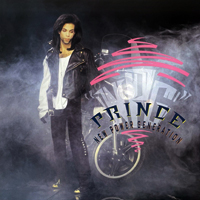
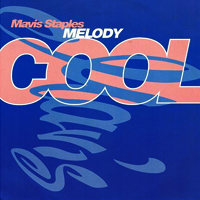
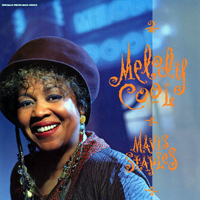
Graffiti Bridge produced five supporting singles. The lead, Thieves In The Temple, issued as Dub and House remixes, reached the top 10 in both the US and UK. Prince’s second single New Power Generation failed to penetrate the US top 40, although enjoyed greater success in the UK to peak at number 26, an EP of the single followed a week later. The LPs other three singles were dedicated to the supporting artists. Tevin’s Round And Round was issued on 25 September as the LPs second single and reached 12 on the Hot 100. Prince’s New Power Generation followed on 22 October. Melody Cool by Mavis Staples dropped on 4 December as the fourth single but did not chart. Promotion closed with the fifth single Shake!, performed by The Time. The band split two months prior to the release of Shake! on 8 January 1991 and the single failed to chart.
Despite its release during Nude Tour, Graffiti Bridge was not officially supported in the setlists, which was essentially structured as a greatest hits show. Nude Tour had almost completed its European programme by the time of the release of the album, and although the promo video for Thieves In The Temple was screened at the start of the show, The Question Of U would be the only song from Graffiti Bridge performed in the show’s regular setlist. By this time, Prince had already begun his next project, laying down material for the debut record for his new band New Power Generation. With his recording contract renewal for Warner Bros Records fast approaching, amid diminishing success in the US coupled with the movie’s dismal performance at the box office, the whole Graffiti Bridge project left Prince at a perilous juncture in his career. Having greatly influenced the course of music throughout the 1980s, Prince found himself in urgent need to maintain his relevance into the 1990s, and required a new creative direction.
New Power Generation EP
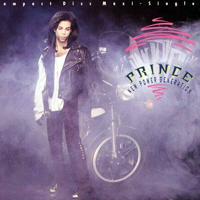
Following the release of Graffiti Bridge five newly produced tracks were laid down in October 1990. The sessions took place at Larrabee Sound Studios, North Hollywood when Prince and the band returned to the US following Nude Tour. Impressed with the rapping prowess of his dancer Tony Mosley displayed during the tour, Mosley would become a central member of Prince’s soon to be formed New Power Generation. The tracks were released that November as a supporting EP titled New Power Generation, issued as a tentative introduction to what would become Prince’s next project. The EPs came out one month after the delayed premier of the Graffiti Bridge movie.
The EP comprised variations of the song New Power Generation. Like Prince’s inaugural EP The Scandalous Sex Suite the previous year, its collection of ‘remixes’ depart so significantly from the original they became stand-alone tracks in their own right. New Power Generation EP opens with NPG [Funky Weapon Remix], Loveleft, Loveright, Brother With A Purpose and The Lubricated Lady. The EP also includes the track titled Get Off (single T) that would later form the basis for Gett Off (double T) which became a smash hit for the Diamonds And Pearls album the following year. Also recorded in this session was Insatiable, the song was instead kept for the new album. New Power Generation forms Prince’s second EP and was issued at the time he was seeking to break into the hip hop genre and thus his rapper Tony Mosley features prominently. The music landscape by 1990 had pivoted from pop staples of the 80s – the likes of Prince, Michael Jackson and Lionel Richie – to the increasing dominance of hip hop. New Power Generan EP therefore also introduces Minnesota rap discovery and Paisley Park Records signee David “TC” Ellis – his one and only solo album True Confessions was released under the label on 28 May 1991. Released on 29 October three days prior to the premiere of the movie, New Power Generation EP revealed Prince’s intent to focus on hip hop despite being previously dismissive of the genre.

Recording
Graffiti Bridge was predominately recorded at Paisley Park Studios throughout 1989 and early 1990. Albeit all but one of its tracks being reworkings of older songs that Prince gleaned from his unreleased back catalogue.
Can’t Stop This Feeling I Got was recorded at Prince’s Kiowa Trail home studio in the spring of 1982, it followed New Power Generation which originates from his sessions at Sunset Sound that January; their Graffiti Bridge versions were recorded in 1989 for the movie. The Question Of U originates from a 1985 recording session at Prince’s Washington Avenue warehouse, the song is based off the melody of Under The Cherry Moon recorded just three months previous. Its Graffiti Bridge rendition was recorded in 1987 as one of the first tracks produced at the newly completed Paisley Park Studios. Elephants & Flowers, Still Would Stand All Time and his original version of Melody Cool were all intended for Prince’s aborted LP Rave Unto The Joy Fantastic in 1988 and subsequently updated for Graffiti Bridge. Still Would Stand All Time was briefly considered also for Batman but was bumped from the soundtrack by Scandalous!. Round And Round was created for Tevin Campbell in December 1989, which in 1991 was re-reissued in Campbell’s debut project T.E.V.I.N.. Campbell’s vocal performance for Round And Round was later recognised with a Grammy nomination in 1990 and in 1993 he became a multi-Platinum selling artist himself with his Quincy Jones produced second LP I’m Ready – featuring several Prince contributions. We Can Funk dates from 1983 when originally named We Can Fuck, it was re-recorded with George Clinton (and renamed) in 1990.
The album’s highlight Joy In Repetition was recorded at Sunset Sound in July 1986 for inclusion on Sign O’ The Times precursor Dream Factory that year, retained in its original version for Graffiti Bridge. Love Machine, Release It and Shake! were laid down in 1989 specially for The Time’s aborted Corporate World album. Tick, Tick, Bang is the album’s oldest track, written for Vanity 6 in 1981 it was re-recorded in 1989 for the movie. Prince’s original version of the song including his vocals was released with the compilation album Timeless in August 2026. Thieves In The Temple is the sole track specifically written and recorded for Graffiti Bridge – a last minute addition in February 1990 to give the LP its lead single. The Latest Fashion originates from February 1983 when named My Summertime Thang and written for The Time’s Ice Cream Castle, Prince reworked it at the Galpin Blvd home studio in April 1987, then in 1989 adding Morris Day’s vocals, when the track was renamed and the same music tracking put to The Time’s version of My Summertime Thang. Both The Latest Fashion and My Summertime Thang were intended for Corporate World – the former ending up on Graffiti Bridge and the latter on The Time’s Pandemonium. The gospel-like title track Graffiti Bridge originates from July 1987. Its released version was recorded with Sheila E, Boni Boyer right after the US leg of Lovesexy Tour in November 1988, with additional vocals overdubbed in early 1990.
Cover story

The striking artwork for Graffiti Bridge pays homage to Prince’s 1981 cover for Controversy that features a collage. Prince’s foreground position on the artwork also evokes Sign O’ The Times. This is a painting by Steve Parke who created it for Prince as a portfolio piece but ended up being chosen as the album’s cover. In result, Parke was promoted to Prince’s main photographer and art director, a position he held until 2001. The image of Prince used in Parke’s artwork is a shot lifted from the Nude Tour programme, originally captured by photographer Bob McNamara whose images also appear on the covers of the LP’s supporting singles. Closer inspection also reveals an upside down tree in the centre. The finished artwork includes Ingrid Chavez. The logo is the work of Margo Chase who in 1986 created the Paisley Park logo and those famous Eyes substituting I for Lovesexy, she designed the logo for Madonna’s Like a Prayer album released the previous year.
Performers
- Vocals / all Instr
- Prince
- Rhythm Guitar
- Wendy Melvoin We Can Funk
- Keyboards
- Lisa Coleman We Can Funk
- Boni Boyer Graffiti Bridge
- Joseph "Amp" Fiddler We Can Funk
- Drums
- Morris Day New Power Generation
- Sheila E Graffiti Bridge
- Bass Guitar
- Levi Seacer Jr. Graffiti Bridge
- Saxophone
- Candy Dulfer Release It, Love Machine and The Latest Fashion
- Eric Leeds We Can Funk
- Trumpet
- Matthew Blistan "Atlanta Bliss" We Can Funk
- Backing vocals
- Elisa Fiorillo Love Machine and New Power Generation (Part II)
- Jerome Benton Release It and Love Machine
- Rosie Gaines New Power Generation
- Jill Jones We Can Funk and Still Would Stand All Time
- Jana Anderson Shake!
- Orchestration
- Clare Fischer Graffiti Bridge
Data
- Producer
- Prince
- Label
- Paisley Park Records
- Distribution
- Warner Bros. Records
- Cover/Design
- Bob McNamara, Tom Recchion, Steve Parke and Margo Chase
- Released
- 36 years ago on 20 August 1990
- Reissued
- 8 September 2023
- Running Time
- 68:34
- US Chart Peak
- 6
- US R&B Peak
- 6
- UK Chart Peak
- 1
- Prince Album
- #12
- Orig. Formats
-
Tracklist
- Can't Stop This Feeling I Got (4:24)
- New Power Generation [feat. Rosie Gaines] (3:29)
- Release It [performed by The Time] (3:54) 1 & 4
- The Question Of U (4:00)
- Elephants And Flowers (3:54) 3
- Round And Round [sung by Tevin Campbell] (3:55)
- We Can Funk [feat. George Clinton and Jill Jones] (5:28)
- Joy In Repetition [feat. Susannah Melvoin] (4:53)
- Love Machine [performed by The Time and feat. Elisa Fiorillo] (3:34) 2 & 4
- Tick, Tick, Bang (3:30)
- Shake! [performed by The Time] (4:01) 4
- Thieves In The Temple (3:20)
- The Latest Fashion [The Time/Prince] (4:02) 4
- Melody Cool [sung by Mavis Staples, backed by The Steeles] (3:39) 3
- Still Would Stand All Time [feat. The Steeles] (5:23) 3
- Graffiti Bridge [feat. Mavis Staples and Tevin Campbell] (3:51)
- New Power Generation (Part II) [feat. Tevin Campbell, T.C. Ellis, Mavis Staples and Robin Power] (2:57)
Released as a single
1 Cowritten with Levi Seacer Jr.
2 Cowritten with Levi Seacer Jr. and Morris Day.
3 Intended for release on the aborted album Rave Unto The Joy Fantastic (1989).
4 Intended for release on the aborted album Corporate World (1989).
Singles from Graffiti Bridge

Thieves In The Temple
Paisley Park Records
- Released
- 24 July 1990
- Distribution
- Warner Bros. Records / WEA Records
- US Chart Peak
- 6
- UK Chart Peak
- 7
- Cover/Art
- Bob McNamara, Tom Recchion and Margo Chase
- Formats
-
- Thieves In The Temple (3:20)
- Thieves In The Temple (Part II) (1:41)
![Thieves In The Temple [Remix], single from Graffiti Bridge, Paisley Park Records (1990)](https://goldiesparade.co.uk/wp-content/uploads/thieves-In-the-Temple-Remix.jpg)
Thieves In The Temple [Remix]
Paisley Park Records
12"/Maxi-Single
- Released
- 2 August 1990
- Distribution
- Warner Bros. Records / WEA Records
- US Chart Peak
- 6
- UK Chart Peak
- 7
- Cover/Art
- Bob McNamara, Tom Recchion and Margo Chase
- Formats
-
- Thieves In The Temple [Remix] [feat. The Steeles; remix by Prince] (8:03)
- Thieves In The House Mix [remix by Junior Vasquez] (6:50)
- Temple House Dub [remix by Junior Vasquez] (5:06)
Also available as a 12" picture disc.

Round And Round
Paisley Park Records
12"/Maxi-Single
- Released
- 25 September 1990
- Distribution
- Warner Bros. Records / WEA Records
- US Chart Peak
- 12
- UK Chart Peak
- Did not chart
- Cover/Art
- Margo Chase
- Formats
-
- Round And Round [Tevin Campbell] (3:55)
- Round And Round [Soul Mix Extended] [remix by Junior Vasquez] (6:39)
- Round And Round [The House] [remix by Junior Vasquez] (7:30)
- Round And Round [Soul Dub] [remix by Junior Vasquez] (5:01)
New Power Generation
Paisley Park Records
12"/Maxi-Single
- Released
- 22 October 1990
- Distribution
- Warner Bros. Records
- US Chart Peak
- No Release
- UK Chart Peak
- 26
- Cover/Art
- Bob McNamara, Tom Recchion and Margo Chase
- Formats
-
- New Power Generation [feat. Rosie Gaines] (3:39)
- New Power Generation (Part II) [feat. Tevin Campbell, T.C. Ellis, Mavis Staples and Robin Power] (2:57)
- Melody Cool [Extended Remix] [remix by David Bianco] (6:05)
Also available as a 12" picture disc.
New Power Generation
Paisley Park Records
- Released
- 23 October 1990
- Distribution
- Warner Bros. Records
- US Chart Peak
- 64
- UK Chart Peak
- No Release
- Cover/Art
- Bob McNamara, Tom Recchion and Margo Chase
- Formats
-
- New Power Generation [feat. Rosie Gaines] (3:39)
- New Power Generation (Part II) [feat. Tevin Campbell, T.C. Ellis, Mavis Staples and Robin Power] (2:57)
New Power Generation EP
Paisley Park Records
12"/Maxi-Single
- Released
- 29 November 1990
- Distribution
- Warner Bros. Records
- US Chart Peak
- 64
- UK Chart Peak
- No Release
- Cover/Art
- Bob McNamara, Tom Recchion and Margo Chase
- Formats
-
- N.P.G. (Funky Weapon Remix) [remix by Michael Koppelman, Prince & Sylvia Massy] (5:01)
- T.C.'s Rap [T.C. Ellis] (3:11)
- Brother With A Purpose [Tony Mosley] (4:19)
- Get Off (4:41)
- The Lubricated Lady (2:39)
- Loveleft, Loveright [feat. Robin Power] (5:00)
Melody Cool
Paisley Park Records
12"/Maxi-Single
- Released
- 4 December 1990
- Distribution
- WEA Records
- US Chart Peak
- No Release
- UK Chart Peak
- Did not chart
- Cover/Art
- The Designers Republic
- Formats
-
- Melody Cool [Extended Remix] [remix by David Bianco] (6:05)
- Melody Cool [Edit] [Mavis Staples] (3:16)
- Melody Cool [Extended LP Mix] [remix by Keith "K.C." Cohen] (4:42)
Melody Cool
Paisley Park Records
12"/Maxi-Single
- Released
- 4 December 1990
- Distribution
- Warner Bros. Records
- US Chart Peak
- Did not chart
- UK Chart Peak
- No Release
- Cover/Art
- Lee Stanford
- Formats
-
- Melody Cool [Extended LP Mix] [remix by Keith "K.C." Cohen] (4:42)
- Melody Cool [Extended Remix] [remix by David Bianco] (6:05)
- Melody Cool [Deep House Vocal] [remix by Junior Vasquez] (6:22)
- Melody Cool [Mellow Dub Mix] [remix by Junior Vasquez] (4:33)
- Time Waits For No One [Edit] [Mavis Staples] (4:18)

Shake!
Paisley Park Records
12"/Maxi-Single
- Released
- 8 January 1991
- Distribution
- Warner Bros. Records
- US Chart Peak
- Did not chart
- UK Chart Peak
- No Release
- Cover/Art
- Steve Parke
- Formats
-
- Shake! [Extended Mix] [remix by Levi Seacer Jr.] (4:57)
- Shake! [Battle Mix] [remix by Levi Seacer Jr.] (4:01)
- Shake! [Funky House Mix] [remix by Junior Vasquez] (8:03)
- The Latest Fashion [Remix] [remix by Michael Koppelman] (6:15)
- Shake! [Boom Mix] [remix by Levi Seacer Jr.] (5:05)
- Shake! [The Time] (4:01)
Supporting tour

Graffiti Bridge album review
Chances are, when asking someone to rattle off Prince’s albums of the 90s they’ll often forget Graffiti Bridge. Do not underestimate the significance of Graffiti Bridge. The 80s are over and Prince is facing a mountain of pressure to reimagine his output to maintain his relevance into the 90s, facing down stiff opposition from R&B and hip hop acts. Despite this, the tracks he selected for Graffiti Bridge were gleaned out of the vault. Old songs dusted down to repackage Prince to the new generation of music listeners. To any normal artist that strategy might be bonkers, but Prince was no ordinary artist. Entirely reworked and upgraded with the signature confidence which encapsulate the 90s sound, his first double LP since Sign O’ The Times, Graffiti Bridge marks a real departure from the 40-min 9-track LPs of old. Taking full advantage of CD to fill all 70 minutes the format makes available, Graffiti Bridge showcases Prince’s dexterity crossing genres with ease.
Prince treats fans to the once vaulted big hitters The Question Of U (the sublime guitar as the song’s second voice) and Joy In Repetition. Of course there is the pleasing Thieves In The Temple the only track Prince created specifically for this album. Yet there are others it would be criminal to overlook, namely the pumping We Can Funk and the gospel led Still Would Stand All Time. The movie itself storyline was almost a carbon copy of Purple Rain and Graffiti Bridge the soundtrack reunites The Time once more, performing on The Latest Fashion, Love Machine (the name of the first song Prince ever wrote) and Shake! Even George Clinton was thrown in for good measure too, although you’ll barely notice. The Time’s appearances are devoid of their usual bounce and humour. Of the album’s guests, Mavis Staples’ snappy Melody Cool is the strongest. It’s down to Prince to keep the party spirit alive, which he does flawlessly with the jolly Elephants And Flowers and Can’t Stop This Feeling I Got. But in the risk of repeating oneself the highlight of the Graffiti Bridge and deserves repeated mention is the mighty, time halting Joy In Repetition. Prince’s golden touch may not have saved the movie but the album triumphs. The broadness is a sound to behold. Prince always delivered at times when it mattered, and what a reward it is to be a Prince fan because of that.
Graffiti Bridge is rated 4.5 out of 5 by Goldies Parade.
Related release
![Graffiti Bridge [movie]](https://goldiesparade.co.uk/wp-content/uploads/graffitibridge-movie.jpg)
© Goldies Parade, 1998 – 2026 • Privacy