
New Power Generation
Funky fresh for the 90s
The New Power Generation (NPG) was the name Prince first attributed to his backing band for Nude Tour in 1990. This early lineup was formed form an amalgamation of musicians that included the two remaining former members of The Revolution – Matt “Dr” Fink (lead keyboards) and Miko Weaver (guitar). One of the drivers behind Prince dissolving The Revolution was that he believed their music, as he said, had become too ‘electronic and cold’. He sought to create a funkier band, and signed on Sheila E in replacement of his first and only drummer to date, Bobby Z. Shelia bought with her two musicians from her backing band E-Train – bassist Levi Seacer Jr, and Boni Boyer to accompany Fink on second keyboards and supporting vocals. They backed Prince in 1987 in his Sign O’ The Times Tour, his first tour as a solo artist again, and its following Lovesexy Tour 1989/89. When Shelia and Boyer quit Prince’s touring band after Lovesexy Tour, in need of a live band, Prince tasked Seacer to replenish the lineup for the launch of Nude Tour in 1990. Seacer knew exactly who Prince should hire first: instrumentalist and vocal powerhouse Rosie Gaines, friend of Seacer’s from Oakland, California. Enlisted into the band to replace Boyer on backing vocals and second keyboards, Gaines quickly attained a prominent role in Nude Tour. Seacer’s next introduction was Minneapolis Bunker’s club drummer Michael Bland, aged just 19 at the time and member of Margie Cox’s band Dr Mambo’s Combo. Hired after a brief audition on 3 April 1989 with Prince at the club, Bland quit college to join Prince’s touring lineup in replacement of Sheila having quit that February.
The catalyst behind the transition from The Revolution to solo artist and back leading a named band again – began with the incorporation of Tony Mosley, Damon Dickson and Kirk Johnson to Nude Tour’s lineup. Childhood friends Mosley and Dickson entered street dancing competitions at First Avenue, where they met Johnson, another entrant. It was here they were spotted, tried-out and were cast as extras in the movie Purple Rain. In 1990, Prince gave them roles in the Graffiti Bridge movie as the street dance trio Game Boyz. Hired as backing dancers for the subsequent Nude Tour, Prince discovered Tony’s talent for rapping during a soundcheck, and gave Mosley his own segment in show filling in during Prince’s costume changes. On tour, Prince worked on new songs, and had Mosley writing and adding raps to the tracks. This new energy sowed the seeds of New Power Generation, and the dance trio evolved into more central roles in the new lineup in the aim to broaden Prince’s appeal with the hip hop audience. Mosley was stage named Tony M and both wrote and performed lead raps; Kirk Johnson (Kirky J) drum programming; and Dickson (Damon D) percussion.
When Weaver and Fink quit Prince’s band once the final curtain fell on Nude Tour, the change in personnel inspired Prince to reorganise his lineup more deeply. Prince looked to the Minneapolis clubs as a recruiting ground. Watching local, Thomas Elm, play keyboards in the backing band for The Steeles at one of their shows, Prince invited Elm to try-out for Margie Cox’s band. But during rehearsals at Paisley Park Prince subsequently enlisted Elm into the NPG, in replacement of Fink on keyboards. Switching Seacer to Weaver’s place on rhythm guitar, left-handed Sonny Thompson, Prince’s high school friend, filled the vacancy on bass. Elm was given the stage name Tommy Barbarella (after the Jane Fonda movie, one of Prince’s favourites) and Thompson became Sonny T. This largely Minneapolis band, with the exception of Gaines and Seacer, ignited a sense of freshness for Prince in the studio, who since the breakup of The Revolution in 1986 recorded predominately solo.
This first major refresh to Prince’s backing band since the disbanding of The Revolution came at a key moment, as having dominated the 1980’s Prince needed to present himself as a contemporary artist of the 90s. The new band also completely reimagined his sound, not just as a live act but creatively in the studio. Prince saw it as the opportunity to rekindle his relevance amid the surge of hip hop which had bumped R&B as the top genre, its acts reshaping the music landscape; Gaines and Mosley would be central to his new sound. To underscore the most significant shakeup to his backing band and showcase his new direction, it was given also a name New Power Generation, Prince’s first named band since striking his commercial peak backed with The Revolution.
Like The Revolution, New Power Generation was afforded creative input and thereby equal billing with Prince, as Prince and the New Power Generation. The work began on the road for Nude Tour developed into Prince’s thirteenth studio album in sessions lasting from December 1989 and throughout 1990. The debut LP Diamonds And Pearls was Prince’s response to hip hop. Its beats were harder than his previous records, and there was rap, courtesy of Tony M. Although it was by no means a hip hop record of current standards, Diamonds And Pearls delivered three hit singles and achieved its aim to put Prince on the top the Billboard R&B chart.
The band’s first official appearance as the NPG was staged at Glam Slam on 6 January 1991, a soft warm-up for the huge promotional appearances that lay just ahead. On 19 January, Prince and the New Power Generation headlined Rock In Rio festival, performing two shows at the Maracană Stadium in an MTV extravaganza televised to an audience of 580 million worldwide. They opened the Special Olympics on 20 July 1991 at The Metrodome Stadium in Minneapolis to perform the title track of their debut album Diamonds And Pearls that dropped that October. Culminating with a show-stopping performance at the MTV Music Video Awards on 5 September – the supporting world tour launched the following April. Uneasy with the stature she attained in the band, a rift led to Gaines’ departure following the tour.
The album was a resounding commercial success. Its double Platinum certified sales, spurred Warner Bros Records to extend their contract with Prince in August 1992, securing him a six-album deal valued at $100 million – a record breaking sum for any artist at that time. When Prince and the New Power Generation released their sophomore LP Love Symbol that October 1992 – the first under this arrangement, it sold half the records of its predecessor, far short of Warner’s (arguably unachievable) expectation to recoup their $100m commitment. The result saw Warner leaning more on the contract and the terms that imposed restriction on Prince’s output to one release per year to maximise sales. This and the ensuing friction over the album’s confounding name Prince Love Symbol and huge production expense, spilled over to Prince publicly expressing outrage over his bone of contention with the contract – the passing to Warner full publishing rights of the music recorded throughout his entire tenure with the label since 1978. The relationship deteriorated, and on 27 April 1993 Prince vowed he would only fulfil his contract using material from the vault. On his thirty-fifth birthday 7 June that year, he sensationally renamed himself to the same unpronounceable Prince Love Symbol of the album to illustrate his protest and frustrate Warner’s marketing of his music. His announcement that morning also confirmed he was ending his co-credit with the NPG. Intended to obstruct Warner’s marketing of his music, the name change actually produced the opposite effect as Prince Love Symbol became the most recognisable logo in music. New Power Generation evolved into an independent outlet for Prince, releasing his new material under its name to circumvent the bounds of the contract.

NPG as an avenue to release Prince’s latest music became a necessity due to Warner’s ownership of Paisley Park Records. NPG’s music was thereby published under Prince’s self funded label NPG Records, hastily formed in 1993 in anticipation of Warner’s closure of Paisley Park Records, which transpired in February 1994. Prince, of course, had not broken from the NPG at all. He still wrote, played most of the instruments, produced every track, even sang lead.
Despite keeping his name off its projects, literally hiding in plain sight as if to taunt his former label, the four albums he credited solely to the New Power Generation form extensions to Prince’s main music catalogue. It was not the end of the road for the band – the founding lineup of the New Power Generation feature in its albums GoldNigga (fronted by rapper Tony M, he and Levi Seacer leave the band shortly after the album’s release in 1993); and Exodus (1995), so named to urge artists to shun major record labels. Despite going solo again in 1993, and with the departure of Game Boyz, NPG’s three remaining original members Barbarella, Thompson and Bland continued to back Prince on tour and appear on his LPs: Come (1993), The Gold Experience (1995) and finally Chaos And Disorder (1996). Exploring other avenues to release his music, NPG produced three singles, each for different movie soundtrack compilations throughout 1994 and 1996.
Second generation
The year 1996 was a crucial turning point for the New Power Generation, starting with their third credited album Kamasutra, largely a solo project Prince created using the band’s expanded horn section and so credited to NPG Orchestra in celebration of his marriage to NPG’s resident dancer Mayte Garcia on Valentine’s Day 1996. This new chapter of his life found Prince starting to refresh his band, and on 8 March, he announced the contracts for remaining original lineup would not be renewed. That June, he auditioned their replacements and formed an entirely new iteration of the NPG. Sonny T’s place passed to Rhonda Smith – another Shelia E introduction. Second keyboardist Morris Hayes who entered the band in 1992 following Gaines’ departure, took over Tommy Barbarella’s seat full time. Mike Scott session guitarist for Jimmy Jam and Terry Lewis, and Kat Dyson – once again courtesy of Sheila E – replaced Seacer to augment the guitar section. Kirk Johnson was retained, and took Bland’s place on drums for the new lineup’s mammoth two-year introductory tour Jam of the Year (1997-98). Between legs on the tour, the new band was put to work on NPG’s fourth and final studio project Newpower Soul, released in 1998 through a partnership struck with BMG – a major label. Unlike NPGs post Warner releases, Prince featured prominently in the cover art and was a predominately solo record, essentially credited to New Power Generation only in name as another contractual dodge.
When his contract with Warner expired at the close of 1999, NPG had outlived its purpose and no further albums were credited to it, as Prince reverted to his birth name in May 2000. New Power Generation continued as the name of Prince’s touring band and its membership passed through various incarnations with each subsequent tour until 2013, when replaced by his final backing band 3rdEyeGirl.
Discography

Diamonds And Pearls
October 1991

Love Symbol
October 1992
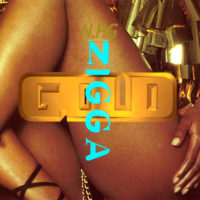
GoldNigga
August 1993
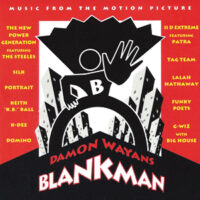
Blankman
August 1994
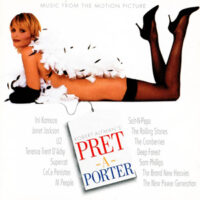
Prêt-A-Porter
December 1994

Exodus
March 1995
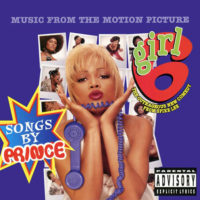
Girl 6
March 1996
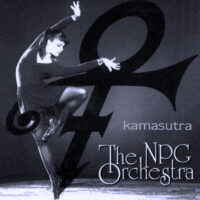
Kamasutra
February 1997
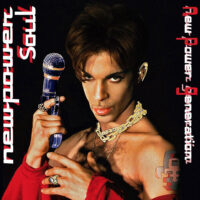
Newpower Soul
June 1998
© Goldies Parade, 1998 – 2026 • Privacy