
Writing Contributions
The Bangles were very lucky to meet Prince.
Susanna Hoffs
Prince’s albums were carefully crafted works. Songs that could not find a home were offered away, some becoming hits for those artists. Getting a name for writing songs and producing for many artists, Prince’s prolific output found him receiving requests from artists of all genres in the hope to receive a Prince penned song.
It was well known that Prince rarely authorised artists to cover his songs, believing that their version would become recognised as the original and the new artists regarded as the creators of the song. His viewpoint likely stems from Chaka Khan’s Grammy winning cover of I Feel For You, and Tom Jones’ career reviving cover of Kiss with Art Of Noise in 1988. Prince was vindicated in 1990 when allowing Sinead O’Connor to cover Nothing Compares 2 U that topped the charts in 14 countries and leaving many in the belief it was her song. Prince made allowances in very exceptional circumstances.
This page features the notable covers and the tracks Prince wrote and gave to other artists but making no appearance on the finished song itself, with neither instrumentation or production involvement. The Prince Midas touch launched and relaunched many artists. Songs which Prince’s appears either performing or in a production capacity are detailed on the guest appearances page.
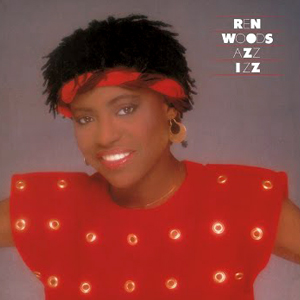
Azz Izz
Elektra Records • 1982
Ren Woods
The first song Prince offered up to another artist was I Don’t Wanna Stop. The lucky recipient was Rennie “Ren” Woods, a vocalist and actress who had roles in a string of hit movies, Car Wash (1976), The Jerk and Hair (1979), and 9 To 5 (1980). Woods’ debut solo LP was released in 1979 titled Out Of The Woods, was produced by Al McKay of Earth, Wind & Fire. Prince wrote I Don’t Wanna Stop in 1980 at his home studio on North Arm Drive, Minneapolis. He later considered it for Vanity 6 but gave the track to Woods instead, making this the first occasion Prince had given away a song without performing on the finished recording. I Don’t Wanna Stop is the closing track for Wood’s second album Azz Izz, released on 19 March 1982. The song was removed from later pressings at Prince’s request – possibly because his career had hit the mainstream, as well as developing The Time. Azz Izz was well received but did not chart.
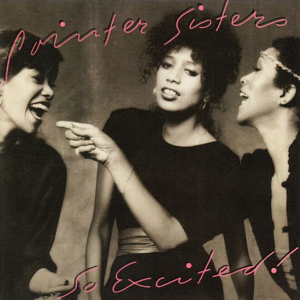
So Excited!
Planet Records • 1982
The Pointer Sisters
Chaka Khan may have created the most recognisable version of Prince’s I Feel For You but The Pointer Sisters were the first artists to cover it. Formed in 1969 and, looking to update their sound for their ninth studio album, in 1982 the trio reached out to Prince who gave them his blessing to cover the track. The album on which it appears, So Excited!, was released on 29 June 1982 and charted at number 52. The Pointer Sisters would be greatly influenced by Prince’s synth pop and in 1983 they finally achieved international success with the follow-up album Break Out that included the hits Automatic, Jump, Neutron Dance and the remixed I’m So Excited! and brought their first US top 10 LP. In 1990 the sisters used Paisley Park Studios to lay down their fourteenth album Right Rhythm.
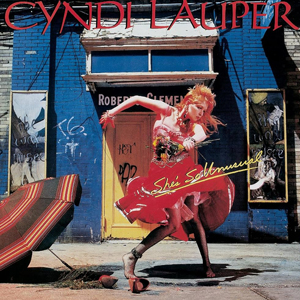
She's So Unusual
Portrait Records • 1983
Cyndi Lauper
Cyndi Lauper propelled into 80’s pop culture in 1983 with her hugely successful debut LP She’s So Unusual. Its lead single Girls Just Want to Have Fun charted at number 2 in both the US and UK in October that year, and was followed by the chart topping Time After Time in March 1984. The album includes Lauper’s cover of Prince’s When You Were Mine, which in January 1985 became its sixth and final promotional single. Lauper’s cover of When You Were Mine is included in the unofficial compilation Symbolism: The Prince Songbook, released in 1998. In 2019 She’s So Unusual was selected by the Library of Congress for perpetual preservation as an album of cultural significance.
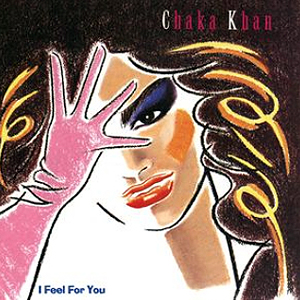
I Feel For You
Warner Bros. Records • 1984
Chaka Khan
The origin of I Feel For You goes back to 1978 when Prince first laid down a demo of the track at his rented home on France Avenue in Minneapolis. Doing his studio recording of I Feel For You in 1979 for his self-titled second LP Prince, the song was never released as a single. Come 1984 when in the height of his fame following the release of Purple Rain, as a long admirer of Chaka Khan he wanted to do something to boost her career. After going solo in 1978, Khan was in search of a hit record and Prince offered his label mate I Feel For You. She re-recorded the track in the summer of 1984, injecting into it techno-pop and adding raps by Melle Mel of Grandmaster Flash and the Furious Five, plus Stevie Wonder on harmonica. I Feel For You became the lead single and title track for her sixth LP. The single peaked at 3 in the Billboard Hot 100 and certified Platinum, denied the US top spot by Prince’s Purple Rain and Wham’s Wake Me Up Before You Go-Go. The album I Feel For You was released by Warner Brothers on 1 October 1984 and peaked at numbers 14 in the US and 15 in the UK charts. It was tremendously received and won Khan the Grammy for R&B Vocal Performance. As writer of the song, Prince won the Grammy for Best R&B Song in 1985.
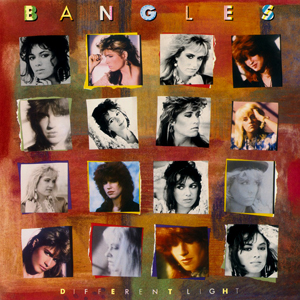
Different Light
CBS Records • 1986
The Bangles
Prince created the track Manic Monday in February 1984, laying down his original version of the song at Sunset Sound, Hollywood, during the studio sessions for the debut LP for Apollonia 6. The song was originally considered to appear on that album, as a duet with Apollonia Kotero and Prince but became an outtake and was shelved for two years. Having liked the single Hero Takes A Fall from the debut album All Over The Place by a then up and coming all female band named The Bangles, Prince decided to check out their live act at a concert they played in LA. Prince offered the band two tracks; Manic Monday and Jealous Girl. The Bangles rerecorded Manic Monday in May 1985, replacing completely Prince’s instrumentation to give it their own sound. Manic Monday was released on on 23 December 1985 as the lead single for their second LP Different Light. The single peaked at number 2 in both the US Billboard Hot 100 and UK charts, held off the top spot by Kiss. Prince’s writing credit for the song is hidden under his movie character name Christopher. While attending their show at Palace in LA, Prince and Wendy came on stage to perform Manic Monday with The Bangles on 20 October 1986. The Bangles’ Manic Monday is included in the unofficial compilation Symbolism: The Prince Songbook in 1998. Prince’s original version of the track got its eventual official release in 2019 on Originals.
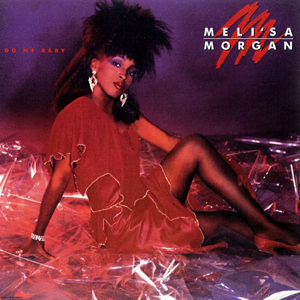
Do Me Baby
Capitol Records • 1986
Meli'sa Morgan
For her debut album, Meli’sa Morgan wanted to record a cover of Prince’s Do Me, Baby which he agreed. The song was released on 21 November 1985 as the lead single and title track to her album Do Me Baby. The single topped the Billboard R&B chart and held the position for three weeks. The pair did not actually meet until 1986, when she and Prince were in LA backstage in the green room at a Lionel Richie concert. Prince remarked that he was impressed with her cover and the two remained friends since. In January 1987, he also created her a song, Come Home, but was instead released by Mavis Staples for her debut Time Waits For No One in 1989. The LP Do Me Baby was released on 17 January 1986 and peaked at number 41 in the Billboard 200, it was not until 28 May 2024 that it eventually achieved RIAA’s Gold certification. Morgan’s version of Do Me Baby was reissued in 1998 on the compilation Symbolism: The Prince Songbook.
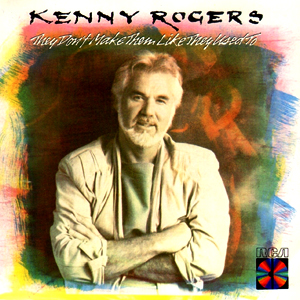
They Don’t Make Them Like They Used To
RCA Records • 1986
Kenny Rogers
Country singer Kenny Rogers is not a pairing most people would readily associate with Prince. As a crossover artist himself, Rogers had become a fan of Prince’s music and so approached Prince via a mutual friend in the hope to have him write a song. Never one to shy from tackling new genres, to Rogers’ astonishment Prince accepted. The song was a ballad named You’re My Love. Prince even suggested El DeBarge add supporting vocals to the record. Prince’s original version was recorded in March 1982 at his Kiowa Trail home studio, with an orchestral accompaniment later added by Claire Fischer in May 1986. The track was rerecorded entirely by Kenny Rogers and DeBarge that year, retaining only Fischer’s parts in the finished record. You’re My Love was released on Rogers’ nineteenth studio album They Don’t Make Them Like They Used To, which peaked at 16 in the Billboard Country Albums chart. Prince is credited for the track under the name Joey Coco, his first use of this pseudonym. Prince’s 1982 version of the song featuring his guide vocals and instrumentation was released by Warner Records in 2019 on the compilation Originals.
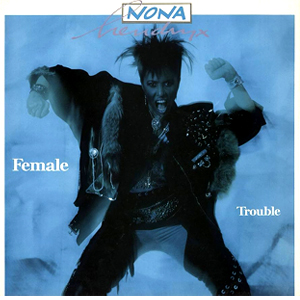
Female Trouble
EMI Records • 1987
Nona Hendryx
Nona Hendryx was a vocalist with Patti LaBelle and the Bluebelles prior to embarking on a solo career in 1977. Hendryx had known Prince early in his career, meeting at a show she performed at First Avenue in Minneapolis. She harboured hopes for Prince to produce her fifth LP Female Trouble but, too busy working on other projects, he contributed just one song Baby Go-Go. Prince wrote the track in June 1986, recording his original at Sunset Sound. Hendryx rerecorded it in 1987 as a late addition for Female Trouble which she released that April. The album was instead produced by Dan Hartman and boasted big-name collaborations – the backing singer on her version of Baby Go-Go was Mavis Staples and became the door opener for her introduction to Prince. George Clinton and Peter Gabriel also appear on the album. Baby Go-Go was its second single and reached 44 on the US Billboard Dance chart. Prince is credited for the song under the name Joey Coco. Baby Go-Go was reissued in the 1998 compilation Symbolism: The Prince Songbook.
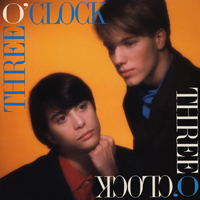
Vermillion
Paisley Park Records • 1988
Three O’Clock
Formed in 1981, the alternative rock group Three O’Clock had already produced three albums by the time they were signed to Paisley Park Records in 1987 to add to its eclectic stable of talent. The band’s members were Michael Quercio (vocals and bass guitar), Mike Mariano (keyboards), Danny Benair (drums) and newly recruited Jason Falkner (guitar). Recommended to Prince by The Bangles’ Susannah Hoffs, he offered his new signing a collection of songs for their next album. Those considered by the band were We Can Funk, Can’t Stop This Feeling I Got, Teacher, Teacher and Neon Telephone – settling on the latter. The uptempo Neon Telephone was laid down at Prince’s Washington Avenue warehouse studio, backed with the Revolution in July 1985 in the same sessions that produced material for Parade. The song inspired Prince to incorporate a neon telephone prop in the movie Under The Cherry Moon but unable to find a suitable home for the track it remained an outtake. Neon Telephone was rerecorded in 1987 by Three O’Clock and like the original features the backing vocals of Wendy Melvoin and Lisa Coleman, specially rerecorded. The band’s third and final LP Vermillion was recorded at Paisley Park Studios, albeit without any assistance from Prince. It was released on Paisley Park Records on 24 May 1988, Neon Telephone was its second single, neither entering the charts. Prince’s writing credit for the song is concealed under the name Joey Coco.
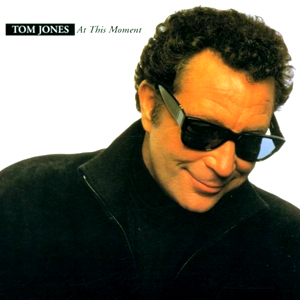
At This Moment
Jive Records • 1989
Tom Jones
Tom Jones hit the music scene in 1963 and shot to fame in 1965 with It’s Not Unusual. By the 1980’s his career had waned and was unable to find chart success either in the US or UK, and went to Las Vegas to perform a potential farewell concert residency. In 1987 Jones added Prince’s chart topping hit Kiss to his setlist. Upon seeing his cover Kiss on TV, avant-garde British pop-synth group Art Of Noise got in touch offering to record the track with Jones. Looking to reignite his career with a fresh sound, Jones accepted. Art Of Noise’s single ‘Kiss featuring Tom Jones’ was released on 10 October 1988 under China Records. Reaching number 5 in the UK chart and 31 in the Hot 100, the single occasioned Jones’ first appearance on MTV and introduced him to a new audience. Jones included the track as the opener for his thirty-first LP At This Moment, released in April 1989 by independent label Jive Records. It became his first album to enter the UK chart since 1978. Kiss is widely attributed to have revived Jones’ career.
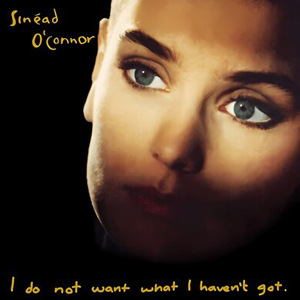
I Do Not Want What I Haven't Got
Chrysalis Records • 1990
Sinead O'Connor
Originally released on the debut LP for Prince’s spin-off project The Family, the song Nothing Compares 2 U was recorded on 15 July 1984 at his warehouse studio on Flying Cloud Drive in Minneapolis. The song is written against the backdrop of personal loss. Prince’s rock laden original recording of the track was passed to The Family and turned into sombre tune when reworked later that summer. The self-titled The Family LP charted only 62 in the US and the song passed largely unnoticed. Then in 1987, Irish singing sensation Sinead O’Connor delivered a top 40 hit with her debut record The Lion And The Cobra which received a Grammy nomination in 1988. For her second album, O’Connor’s manager Fachtna O’Ceallaigh suggested covering The Family’s Nothing Compares 2 U to honour the singer’s mother who died in 1985. Prince agreed. O’Connor rerecorded the song entirely, as a late minute inclusion to her second album I Do Not Want What I Haven’t Got. Nothing Compares 2 U was released as its lead single on 8 January 1990 and supported with its iconic promotional video it topped the charts in the US and throughout Europe. Nothing Compares 2 U produced O’Connor’s breakout hit and introduced her to a global audience. The LP topped charts in many territories and certified double Platinum in the US and UK. In 2012 the album was ranked 408th in Rolling Stone’s Top 500 Albums of All Time. Nothing Compares 2 U was crowned by Billboard #1 World Single of 1990 and received a Grammy nomination for best song. Prince is credited by name, and in result of its success Nothing Compares 2 U appeared frequently in setlists of his subsequent tours. Prince’s 1984 version of the track was released on Originals in 2019.

Contribution
Island Records • 1991
Mica Paris
Beginning her career as a backing singer for the British pop group Hollywood Beyond, Mica Paris released her debut LP as a solo artist in 1998, titled So Good. She made a chance encounter with Prince at an aftershow performance he gave at Camden Palace celebrating Cat Glover’s birthday on 26 July 1988 during his stint for Lovesexy Tour at London’s Wembley Arena. During the show, Mica, stood in the front row, Prince handed her his microphone and wowed him with a powerful rendition of Just My Imagination. In 1990, he offered her If I Love U 2 Nite a track he wrote in 1979 but completely reworked in July 1987 at Paisley Park Studios. Mica rerecorded the track and released it on her second album Contribution on 19 February 1991, which charted 26 in the UK. In 1994, Prince rerecorded the song once again, this time with the vocals of Mayte, that version was released on her debut album Child Of The Sun retitled If Eye Love U 2night. Paris’ version was reissued in the compilation Symbolism: The Prince Songbook.
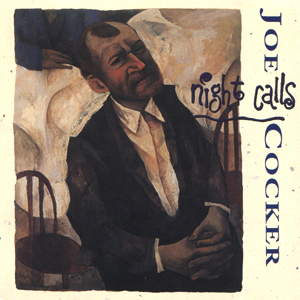
Night Calls
Capitol Records • 1991
Joe Cocker
While in Tokyo staging the Nude Tour in the summer of 1990, Prince recorded the track 5 Women at Warner Pioneer Studios. The song recalls five women each named after a month – March, April, May, June and July – one of these is believed to be Kim Basinger who Prince dated briefly in 1989 and is purported to be May “an actress or model or something”. She starred in the movie 9½ Weeks, dancing in a racy scene to Joe Cocker’s cover of You Can Keep Your Hat On which he recorded in 1986. 5 Women is unusual for Prince in that is it a bluesy number and thereby possibly too out of place for his albums, the track was instead offered to Joe Cocker in 1991, who rerecorded it that year. Cocker asked Prince to play guitar on the track, but being too busy Prince declined and so does not feature on Cocker’s version – the Heartbreakers’ Mike Campbell filling in on guitar. Renamed Five Women, the track was released on Cocker’s thirteenth album Night Calls on 7 October 1991, which charted 25 in the UK. Cocker’s version of Five Women was reissued in the unofficial compilation Symbolism: The Prince Songbook in 1998. Prince’s 1990 version followed on Warner Brothers’ The Vault… Old Friends 4 Sale in 1999.
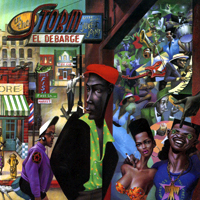
In The Storm
Warner Bros. Records • 1992
El DeBarge
At Prince’s request, R&B singer Eldra “El” DeBarge sang backing vocals for Kenny Rogers’ Prince penned song You’re My Love in 1986. Having in 1985 been lauded in the Los Angeles Times as a potential rival for Prince and Michael Jackson, DeBarge released his eagerly awaited solo debut LP that year, scoring a hit with Who’s Johnny. Signed to Warner Brothers in 1991 for his third album In The Storm, seeking to create a funkier record he co-produced it with Earth, Wind & Fire’s Maurice White. DeBarge received a song Prince recorded with Kirk Johnson at Larrabee Studios that April during their sessions laying down the debut record for Carmen Electra. The track was titled Tip O’ My Tongue, which DeBarge rerecorded as a late addition to the album in early 1992 at Studio 89, North Hollywood using his own musicians. In The Storm was released on 17 March 1992, but despite being hailed “an absolute masterpiece” by the music press, the album failed to chart. Prince’s involvement on the album is credited as Paisley Park. In 2023, Rolling Stone ranked DeBarge 137 on its list of 200 Greatest Singers of All Time. Prince ranked 16th. Prince’s original version of Tip O’ My Tongue was released in 2023 as part of the vault tracks in Diamonds And Pearls Super Deluxe.
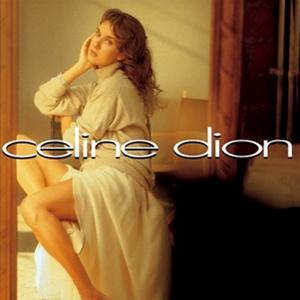
Celine Dion
Columbia Records • 1992
Celine Dion
Perhaps Prince’s least likely collaboration is the one he had with Celine Dion in 1992. The song in question With This Tear was recorded at Paisley Park Studios during the sessions for Love Symbol Album in November 1991, with Claire Fischer’s orchestration added in January 1992. Prince planned to give Jevetta Steele the ballad but it was instead passed to Celine Dion who rerecorded it on 16 January, keeping Fischer’s orchestral arrangements. It is understood Prince became keen to write for Dion upon hearing her duet on the Disney single Beauty And The Beast issued four months ahead of her upcoming self-titled album Celine Dion. A late addition and bumping Calling You from the configuration, With This Tear was released on 31 March 1992, in Dion’s second album in the English language. Celine Dion charted 3 in Canada and certified double Platinum by RIAA. Dion later said With This Tear was “one of the most beautiful songs I’ve ever heard or felt”. She and Prince remained friends and in 2006 he sought her advice whether he should play a residency revue in Las Vegas. In 2026, Prince’s original version of With This Tear was chosen by The Prince Estate to commemorate the tenth anniversary of his death and was released by Sony Legacy on 20 April. The track was subsequently included in the compilation Timeless which followed that August.
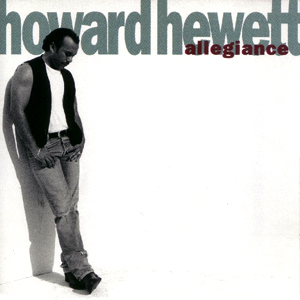
Allegiance
Elektra Records • 1992
Howard Hewett
Howard Hewett was a member of American R&B trio Shalamar on replacing Gerald Brown as lead singer in 1979. Wishing to pursue a solo career, in 1986, Hewett signed to Elektra Records, releasing three albums with the label. Hewett’s route to Prince came via his wife, singer-actress Nia Peebles, who from 1984 to 1987 starred in the TV show Fame and had a minor hit single in 1988 with Trouble – marrying Hewett in 1989. On 1 November 1990, she hosted the MTV street party outside the premiere and afterparty for the Graffiti Bridge movie. Having taken a shine to her, Prince sent her a song titled Allegiance to consider for a project she was working on at that time. Prince’s original version of the song was recorded on 1 October 1991 at Paisley Park Studios, the very day which saw the worldwide release of his thirteenth album Diamonds And Pearls. Allegiance was instead recorded by Peebles’ husband, Howard Hewett, rerecording it entirely under the production of Tommy LiPuma, it became the title track to his fourth LP. Allegiance was released on 17 November 1992 and charted 73 on Billboard. Hewett and Peebles divorced in 1993.
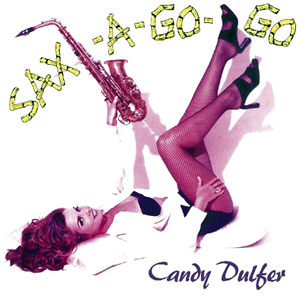
Sax-A-Go-Go
Ariola Records • 1993
Candy Dulfer
Dutch band Funky Stuff was invited to open for Prince at his Rotterdam shows for Lovesexy Tour in 1988. He pulled their slot but invited its saxophonist Candy Dulfer to guest with him in the 19 August main show for Blues in C (If I Had A Harem). Dulfer subsequently appeared in the video Partyman in 1989 and recorded with Prince for Graffiti Bridge. After a space, in 2002 she joined Prince’s backing band NPG for his One Nite Alone… Tour and remained in the lineup until the close of Musicology Tour in 2004 (Candy sings backing vocals on Life O’ The Party on Prince’s Musicology album). To help her out, in 1992 Prince passed her an instrumental titled Sunday Afternoon he recorded earlier that year at Paisley Park Studios. Dulfer rerecorded it at Studio Zeezicht in Netherlands using her own musicians and included the track on her second solo album Sax-A-Go-Go, released under BMG Ariola on 1 March 1993. The album charted 56 in the UK and landed Gold certifications in Japan and her native Netherlands. Prince is named in the sleeve for his writing contribution.
![Poetic Justice [soundtrack] by TLC (1993)](https://goldiesparade.co.uk/wp-content/uploads/Poetic-Justice.jpg)
Poetic Justice [soundtrack]
Epic Soundtrax • 1993
TLC
Get It Up was written by Prince for the debut album of The Time, released in 1981. In 1993 TLC recorded a cover version for the soundtrack of the movie Poetic Justice, starring Janet Jackson and Tupac Shakur. Get It Up was the lead single from the soundtrack, which peaked at number 15 in the Billboard Hip Hop chart. The album was released on 29 June 1993 and reached number 23 on the main chart and was certified Gold by the RIAA on 25 August 1993. Prince championed TLC during their contract renewal with LaFace Records in 1996, and appeared at the MTV Awards to introduce their performance of No Scrubs on 21 January 2000.
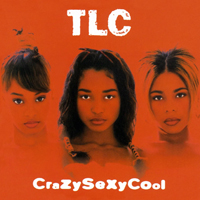
CrazySexyCool
Arista Records • 1994
TLC
TLC recorded two cover versions of Prince’s songs. The first was Get It Up in 1993, and in 1994 Lisa “Left Eye” Lopes laid down a faithful version of If I Was Your Girlfriend. The track was included on TLC’s second studio album CrazySexyCool, which was released on 15 November 1994. It charted at number 3 in the Billboard 200 and went on to sell more than 15 million units worldwide. When introducing TLC at the MTV Awards at Madison Square Gardens on 21 January 2000, Prince revealed they were his favourite group.
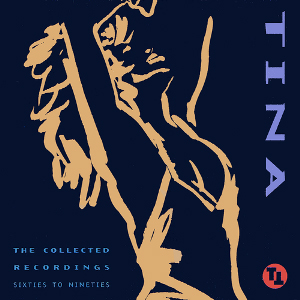
The Collected Recordings: Sixties To Nineties
Columbia Records • 1994
Tina Turner
Months prior to releasing her fifth solo LP Private Dancer, Tina Turner embarked on her World Tour in January 1984 to relaunch her solo career having divorced Ike Turner. The setlist’s opening song was Prince’s 1983 single Let’s Pretend We’re Married. During the tour’s run, the concert at Chicago’s Park West Music Theatre on 17 August 1984 was also broadcast on radio. In February 1985, this live cover of Let’s Pretend We’re Married captured at that show was issued in the UK as the B-side to her single I Can’t Stand The Rain in support of Private Dancer. The recording was subsequently configured into the compilation album Tina: The Collected Recordings, which was released by Columbia Records on 15 November 1994, and was again reissued in 1998 on Symbolism: The Prince Songbook.
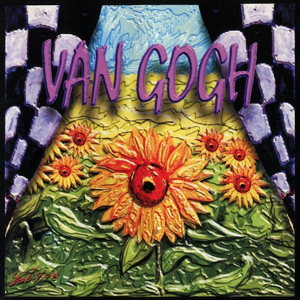
Van Gogh
not on label • 1998
Van Gogh
During the studio sessions for his Emancipation album in 1995, Prince received lyrics to a song titled Love Is. The senders were Sandra St. Victor and Tom Hammer. Prince reworked the track, adding lyrics and recording a musical arrangement, as well as retitling it Van Gogh, the song was considered for a quickly abandoned project for Donatella Versace. Whilst Van Gogh remained an outtake, Soul Sanctuary, written by the same lyricists, was included into the final configuration of Emancipation. Wishing to collaborate with disabled musicians, in March 1998 Prince offered the track to a band in Atlanta he found via the Coalition of Disabled Musicians. The group, coincidently named Van Gogh, comprised of six members, each wheelchair bound, and not signed to a label. They rerecorded the track that summer for inclusion on their fourth album, self-titled Van Gogh, independently released on 6 November 1998. Prince is credited on the album as The Artist but omits naming St. Victor and Tom Hammer. Prince’s version of Van Gogh was released on 7 July 2001 offered as a digital download from NPG Music Club.
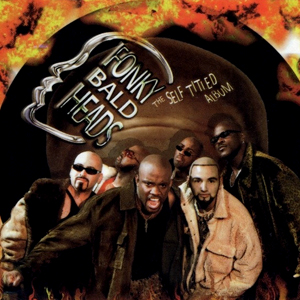
The Self Titled Album
Kitchen Records • 2001
Fonky Bald Heads
Formed predominantly of members of Prince’s then touring band the NPG, Fonky Bald Heads laid down their one and only studio album at Paisley Park in 2000. The band comprised NPG members Kip Blackshire (vocals), Kirk Johnson (drums) and Mike Scott (guitar), plus David Max Schwartz “DVS” (raps), Kevin Walker “K.A.T.O.” (bass) and Michael Herring “Fish” (guitar). The album features the song Rowdy Mac which Prince co-wrote with Johnson at that time, which like the remainder of the record, the instrumentation is performed by Fonky Bald Heads themselves. The band opened for Prince during his Hit N Run Tour and Celebration of 2001. Their CD The Self Titled Album received a limited that summer at Prince: A Celebration, and was issued under independent label Kitchen Records. It did not chart. DVS also appears on Prince’s The Daisy Chain.
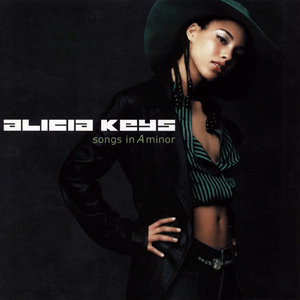
Songs In A Minor
J Records • 2001
Alicia Keys
Hip hop inspired pianist Alicia Keys approached Prince to cover How Come You Don’t Call Me Anymore to include on her debut album Songs In A Minor. Having not previously heard the original, Keys called Prince to seek his approval. Impressed that she both wrote and produced her own material, Prince invited her to Paisley Park and gave rare approval to cover his song. Her version, renamed How Come You Don’t Call Me, was released as the album’s third single on 12 March 2002. The song charted at 59 in the Billboard Hot 100 and 26 in the UK, and helped the album top both the US and UK charts. Selling 236,000 units initially, sales of the album reached in excess of 7 million eventually. Prince’s original How Come You Don’t Call Me Anymore was released in 1982 as the B-side to his single 1999 but came to wider public attention owing to Key’s cover of 2001. In acknowledgement of that, on 22 April 2011 Keys guested with Prince during his Welcome 2 America Tour to perform the song. In March 2004, Alicia Keys was given the honour to induct Prince into the coveted Rock and Roll Hall of Fame.

The single Sign O' The Times was released on 18 February 1987 in support of Sign O’ The Times. Discover the background and more behind this release in our complete Prince discography.
© Goldies Parade, 1998 – 2026 • Privacy